Using Android Studio Emulators in M1 Mac:
Then, change directory using cd Sample.Android/bin/Debug to find the the signed APK file, Using ADB(Android Debug Bridge), install it to your device/emulator with this command adb install com.tfp.sample-Signed.apk, explained here. Steps to Build & Deploy to iOS Simulator with VS Code. The emulation software enables ARM64-based Android apps to run on a Mac. Similar to the virtualization of Microsoft’s Windows operating system on Apple’s M1 devices, the native hardware virtualization of the M1 chips via Qemu is also used here. According to Google, however, the presentation is only a first preview version of the emulator. No emulators at this point. IntelliJ has some lags in performance on M1 (because it is not native, and Intel built), but feels pretty usable. Yes, Android Studio and the M1 emulator are working. However keep in mind that sometimes Android Studio will start pushing to Swap massively about 1 hour of work in. No emulators at this point. IntelliJ has some lags in performance on M1 (because it is not native, and Intel built), but feels pretty usable. Yes, Android Studio and the M1 emulator are working. However keep in mind that sometimes Android Studio will start pushing to Swap massively about 1 hour of work in.
Previously, when M1 Macbooks were released, Android studio didn’t have any support for emulators. Google has released a different preview build for emulators. You can check this build here.
The problem with this preview build is that you can’t change the emulator device type. It works, but if you want to test your application on different device or different screen sizes, there was no other option available.
Recently, they released one change to the Android Studio SDK manager and downloading an extra emulator is no loger needed now.
In this post, I will quickly show you how to create Android Emulators on M1 chipset mac in Android Studio.
How to do that:
First, make sure that you have the latest Android Studio installed. If you have 4.1.2 or later Android studio version, this will work.
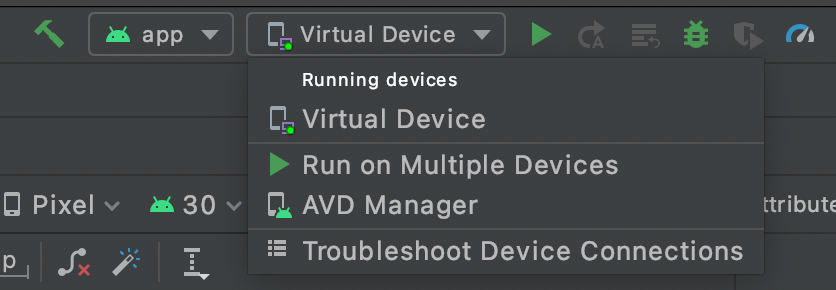
First, start AVD manager. If you haven’t created any AVD or android virtual device before, you will find it in Tools->AVD Manager.
Click on Create new virtual device button. It will show you a list of different devices. You can select any of these phones.
- Click on next. It will show you a list of system images. Basically, it shows different images for different Android Versions that can be used with the current AVD. Make sure to select the ‘Other image’ tab. Images listed under this tab are designed for Macbook M1.
That’s all. It will create one emulator using that selected image. You can also create different virtual devices using the same image.
-->
This guide explains how to prepare the Android Emulator for testing your app.
Overview
The Android Emulator can be run in a variety of configurationsto simulate different devices. Each configuration is called a virtualdevice. When you deploy and test your app on the emulator, you selecta pre-configured or custom virtual device that simulates a physicalAndroid device such as a Nexus or Pixel phone.
The sections listed below describe how to accelerate the Androidemulator for maximum performance, how to use the Android Device Managerto create and customize virtual devices, and how to customize theprofile properties of a virtual device. In addition, a troubleshootingsection explains common emulator problems and workarounds.
Sections
Hardware Acceleration for Emulator Performance
How to prepare your computer for maximum Android Emulator performanceby using either Hyper-V or HAXM virtualization technology. Because theAndroid Emulator can be prohibitively slow without hardwareacceleration, we recommend that you enable hardware acceleration onyour computer before you use the emulator.

Managing Virtual Devices with the Android Device Manager
How to use the Android Device Manager to create and customize virtualdevices.
Editing Android Virtual Device Properties
How to use the Android Device Manager to edit the profile properties of avirtual device.
Android Emulator Troubleshooting
In this article, the most common warning messages and issues that occurwhile running the Android Emulator are described, along withworkarounds and tips.
Note
Mac M1 Android Emulator Offline
If you are using a Mac with an Apple chip, such as the M1, you will need to install the Android Emulator for M1 preview from GitHub.
Android Emulator For Apple M1
After you have configured the Android Emulator, seeDebugging on the Android Emulatorfor information about how to launch the emulator and use it for testingand debugging your app.
Android Emulator Mac M1 Preview
Note
As of Android SDK Tools version 26.0.1 and later, Google has removed support for existing AVD/SDK managers in favor of their new CLI (Command Line Interface) tools. Because of this deprecation change, Xamarin SDK/Device Managers are now used instead of Google SDK/Device Managers for Android Tools 26.0.1 and later. For more information about the Xamarin SDK Manager, see Setting up the Android SDK for Xamarin.Android.